Upgrading to an intelligent traffic management system for smart cities holds immense promise, but the path is rarely straightforward. At Chainzone, as one of the trusted traffic management system suppliers, we understand the hurdles that municipalities encounter during these transitions. While advanced technology can streamline mobility, improve safety, and enhance efficiency, cities often face challenges related to technology integration, funding, and regulatory frameworks. By addressing these obstacles head-on, municipalities can maximize the benefits of modern traffic solutions and ensure long-term success.
Technological Barriers to Integration
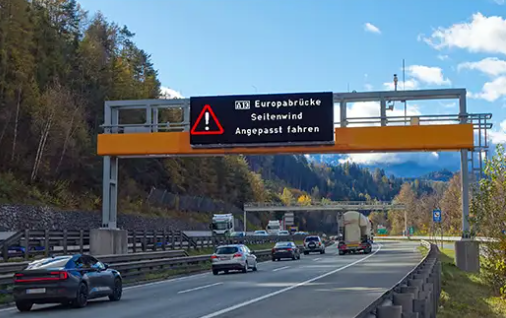
The first major challenge is the complexity of integrating diverse technologies into a unified system. A traffic management system brings together hardware such as variable message signs, lane control signs, and sensors with intelligent software platforms that manage real-time operations. Cities often rely on existing legacy infrastructure, and connecting these older assets with new systems can present compatibility issues.
At Chainzone, we design platforms that account for this reality by offering flexible integration options and robust data processing capabilities. However, cities still need to plan carefully for network upgrades, cybersecurity protection, and data interoperability. Without proper coordination, a fragmented approach could lead to reduced system effectiveness and higher operational risks. For example, if lane traffic signs are not synchronized with central software updates, drivers may receive inconsistent information, undermining trust in the system.
Another technological concern is workforce readiness. Intelligent traffic solutions require trained personnel who can manage software platforms, analyze traffic data, and oversee real-time responses. Without adequate training and support, municipalities may struggle to fully utilize the system’s capabilities, limiting their return on investment.
Financial and Regulatory Constraints
Funding is another critical challenge. Deploying a comprehensive traffic management system for smart cities involves significant upfront investment in hardware, software, and network infrastructure. While the long-term benefits include fewer collisions, shorter response times, and improved mobility, municipalities often face budget constraints that delay or scale back projects. Balancing immediate costs with long-term value remains a recurring difficulty.
Regulations can also complicate upgrades. Traffic systems must comply with national and regional safety standards, environmental guidelines, and procurement rules. Each jurisdiction has its own approval processes, and navigating these requirements can extend project timelines. For example, ensuring that new digital signs meet visibility standards across varying weather and lighting conditions is essential for public safety, but testing and certification can be time-consuming and costly.
Cities must also address public concerns such as data privacy and surveillance. As intelligent traffic solutions collect increasing amounts of real-time data, regulations must strike a balance between system effectiveness and protecting individual rights. Municipalities that do not address these issues proactively may encounter resistance from citizens or delays in regulatory approval.
Building the Road Toward Smarter Mobility
Despite these obstacles, we firmly believe that the advantages of intelligent traffic solutions far outweigh the challenges. At Chainzone, our goal is to support cities by providing integrated platforms that simplify operations, reduce collisions, and enhance mobility. By acknowledging technological hurdles, planning for sustainable funding, and navigating regulatory frameworks, municipalities can successfully implement advanced systems that deliver safer and more efficient roads.
In our experience, cities that invest in both technology and long-term strategy find the journey toward smart traffic management worthwhile. We remain committed to partnering with municipalities worldwide, providing the expertise and solutions that turn these challenges into stepping stones toward smarter, safer, and more connected urban transportation networks.