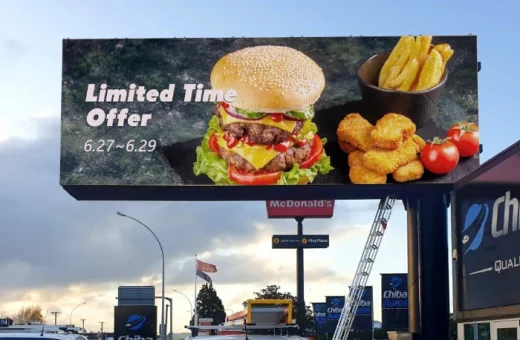
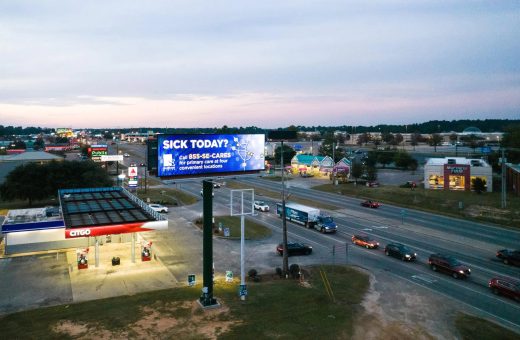
As Chainzone, we build traffic solutions for the real world—especially for highways, where speed, volume, and safety demand an intelligent highways traffic management system that is robust, clear, and responsive. A traffic management system (TMS) is more than cameras and signs; it is an integrated set of technologies, protocols, and processes that collect, analyze, and act on transportation data in real time to keep vehicles moving safely and efficiently. For highways, the stakes are high: closures and incidents quickly cascade into major delays and safety risks. Our approach combines hardware (lane traffic signs, variable message signs), software (control platforms and protocols), and operational design to create a coherent system that reduces congestion, improves incident response, and enhances driver guidance.
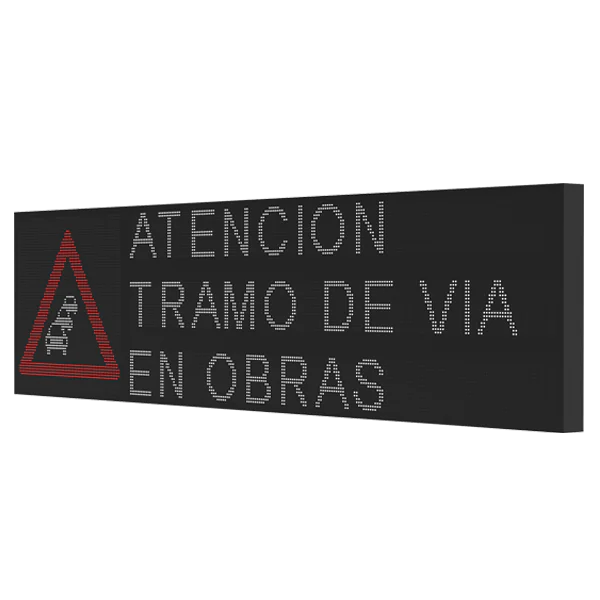
What We Mean By An Intelligent Traffic Management System
We conceive an intelligent traffic management system as an ecosystem. Sensors and detection units feed live data to a central control layer, which applies algorithms and operator rules to determine actions—changing message signs, rerouting lanes, or issuing alerts. Our highway-focused solution emphasizes ultra visibility and readability, using high-luminance, high-contrast displays with anti-glare characteristics so messages are clear day and night. EN12966 certification and optical-lens design with UV protection ensure the signage remains effective and durable in harsh outdoor environments. The system’s stability is critical: long service life, energy-saving operation, and self-cleaning features reduce maintenance burdens and keep critical infrastructure online.
Common Barriers: Technology, Funding, And Regulation
We frequently encounter three categories of obstacles when deploying highway traffic management systems: technical complexity, financing constraints, and regulatory hurdles.
Technical barriers: Highways are a demanding environment—multi-lane geometries, high-speed vehicles, and complex interactions between human drivers and automated systems require precise detection, low-latency communications, and reliable display technology. Integration challenges arise when legacy equipment must interoperate with modern control platforms. To address this, we support standard protocols such as NTCIP and JETFILE II, provide VMS status and pixel-checking tools, and design for remote diagnostics via mobile devices so field teams can verify system health quickly.
Funding and procurement: Major highway deployments require substantial capital for devices, communication networks, and control centers. Budget cycles and procurement policies slow adoption. We mitigate this by emphasizing energy savings and long lifecycle value—our optical designs and energy-efficient electronics lower operation costs, while robust components reduce replacement frequency. Demonstrating lifecycle ROI—reduced incident costs, decreased congestion losses, and lower maintenance—is crucial to securing investment.
Regulatory and approval processes: Highway control systems intersect with public safety, traffic law, and multiple stakeholders (transport authorities, municipalities, and emergency services). Approval timelines and differing standards can delay rollouts. We work closely with agencies to ensure EN12966 compliance, align messaging practices with legal requirements, and present clear safety cases supported by data from pilot programs.
Operational Practices To Overcome Obstacles
Chainzone recommends a phased, data-driven deployment strategy. Start with targeted pilots on high-impact corridors to validate algorithms, communications, and sign legibility. Use telemetry to gather performance data—VMS status, pixel health, and message comprehension—then scale based on measured benefits. Establish clear procurement frameworks that prioritize total cost of ownership rather than only upfront price. Engage regulators early: share test results, frame operational protocols for incident response, and document how your intelligent traffic management system improves safety metrics.
Why Our Highway Solution Works
We design Chainzone’s highway traffic solutions around clarity, resilience, and manageability. Ultra-visible lane traffic signs and variable message signs guide drivers proactively; real-time data and centralized digital management enable faster, more informed interventions. Protocol support and mobile access let operations teams monitor performance from anywhere. The result is a safer, smarter highway network with measurable energy savings and long-term stability.
In short, a traffic management system is an integrated, real-time command-and-control ecosystem. By confronting technical integration, funding realism, and regulatory engagement—while delivering high-visibility, durable hardware and robust digital management—we help highways become safer and more efficient for everyone.