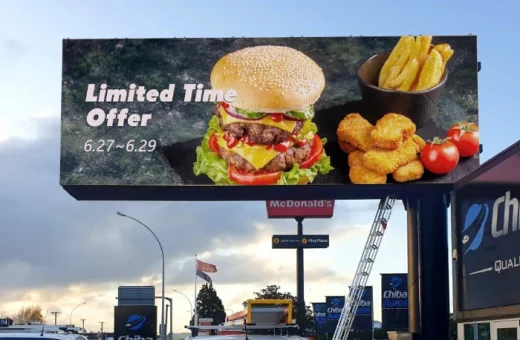
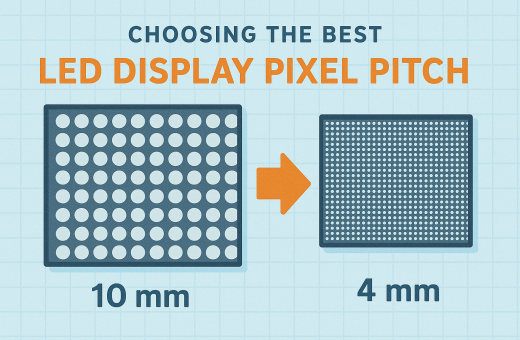
How much does an LED billboard cost? These powerful tools are popular and commonly seen on highways, in city centers, and in commercial districts. They offer vibrant visuals and flexible content updates that capture attention around the clock.
On average, the LED billboard cost usually lies between USD $8,000 and $300,000. Then, what affects the LED billboard price, and how can you tell the right LED billboard is worth your investment? In this article, Chainzone will guide you through all!
Core Component Cost: The LED Display Itself
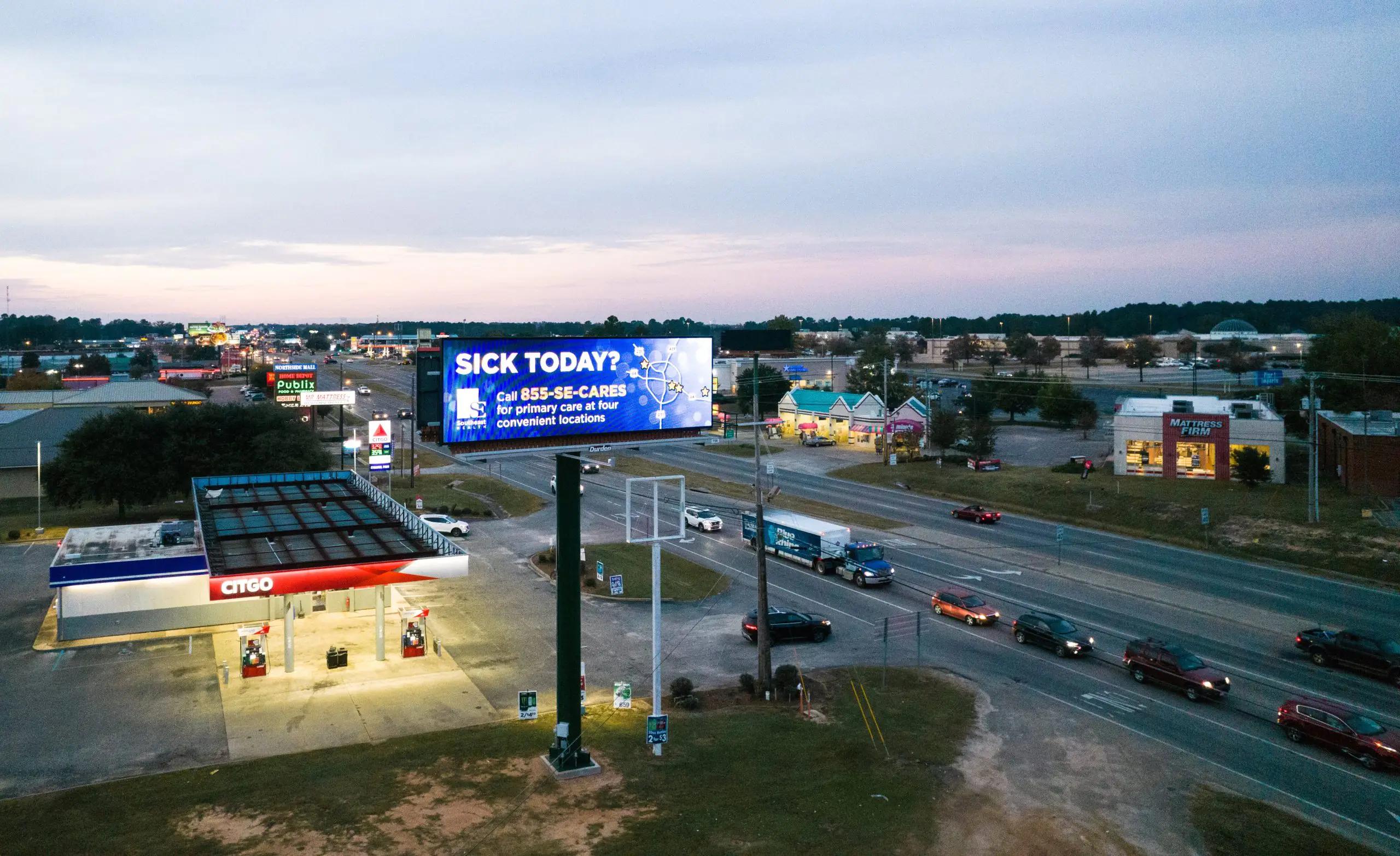
The LED display itself makes up the largest portion of an LED billboard’s cost, and several key factors influence its price.
1. Billboard Size and Its Impact
Larger billboards naturally cost more, as they require more LED panels and materials. While the initial investment for a larger screen is higher, it provides more advertising space, making it ideal for broader areas where businesses need more visibility. Larger displays also come with increased installation and maintenance costs.
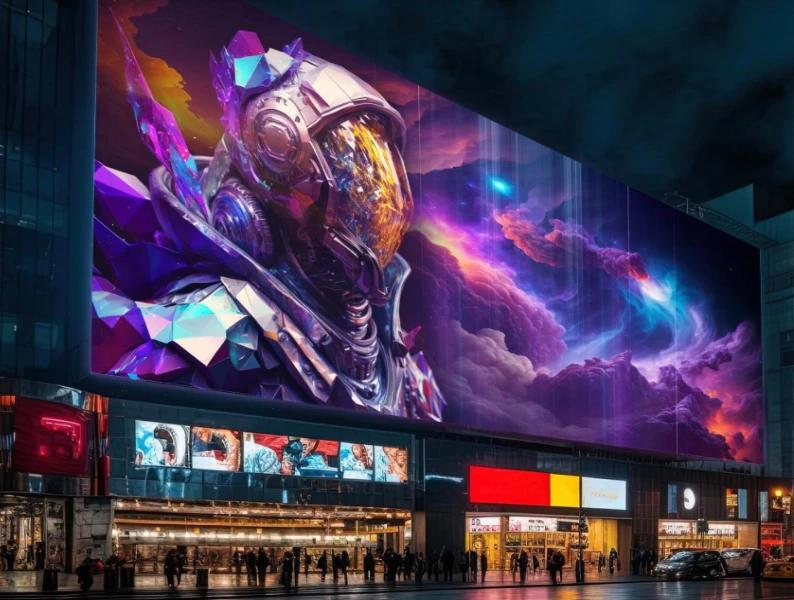
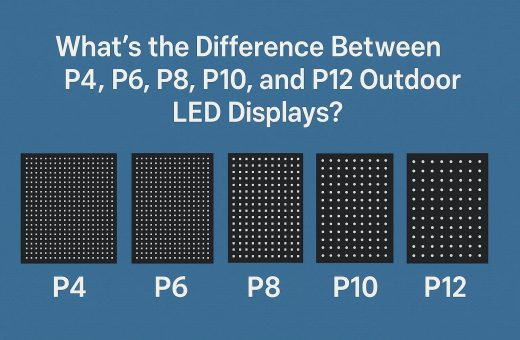
Pixel pitch is the distance between two neighboring pixels on the display. A smaller pixel pitch, such as P4 (4 mm), offers higher resolution and sharper images, especially when viewed from a closer distance.
It also means a significantly higher cost. For instance, a P1.5 billboard can pack millions more LEDs into the same area than a P10 billboard. This means more LEDs, denser circuit boards, more drivers & ICs, and more advanced processors, all of which contribute to a higher LED billboard price.
3. LED Technology Type
The type of LED technology used affects both the cost and performance of the display. SMD (Surface Mount Diode) technology is more commonly used in outdoor displays due to its high resolution, wide viewing angle, and superior color performance.
SMD LEDs typically cost more due to a more complex design. Meanwhile, DIP (Dual In-line Package) technology is generally cheaper but comes with lower resolution and a narrow viewing angle.
Installation and Structural Costs
The LED installation process involves several factors, each adding to the overall cost.
4. Structural Support & Fabrication
The frame and supporting structure hold the LED panels in place and keep the billboard stable against wind, vibration, and environmental stress. These structures can be either retrofit or new-build. New-build structures, in particular, require a significant investment, including costs for materials (such as steel I-beams and tubing), fabrication (cutting, welding, drilling), and finishing (sanding, galvanizing, painting).
Type of Structure:
- Ground-Mounted (Pole-Monument): A simple, self-supporting pole structure is generally the least expensive new-build option.
- Wall-Mounted: Cost varies dramatically with height and wall complexity. A simple facade mount is cheaper; a complex, braced structure that transfers load to the building’s foundation is far more expensive.
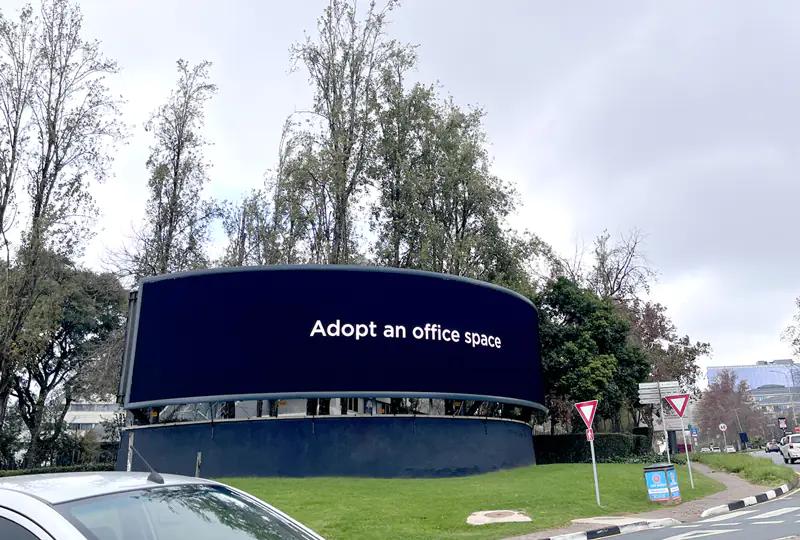
- Building-Wrap (Large, Multi-Sided): These are massive, custom-engineered steel skeletons that wrap around a building’s corner. They are among the most expensive structural types due to their size, complexity, and engineering requirements.
5. Site Preparation & Labor
Proper site preparation includes foundation work, electrical wiring, and safe mounting procedures. Labor costs depend on location, project complexity, and local wage rates. For large roadside billboards, cranes and lifting equipment may be needed, adding to overall installation expenses.
6. Permits, Regulations, and Engineering
Every outdoor LED billboard must comply with local building codes and zoning laws. Fees for permits and engineering approvals vary by region but are essential for legal installation. Engineering cost also influences the overall LED billboard cost but ensures structural stability and electrical safety, helping avoid costly compliance issues later.
Long-Term and Hidden Operational Costs
Apart from the upfront outdoor LED billboard price, there are several long-term and hidden expenses that should also be kept in mind while choosing the LED billboard. These costs include:
7. Electricity Consumption (Operating Cost)
Power usage represents one of the most significant recurring costs of digital billboards. Energy demand depends on several factors, including screen size, brightness levels, and the type of LED technology used.
High-brightness displays designed for daylight visibility naturally consume more power. However, newer energy-efficient technologies like Chainzone’s LOB technology can reduce electricity costs dramatically while maintaining strong visual performance.
8. Maintenance and Repairs (TCO—Total Cost of Ownership)
It is important to consider the Total Cost of Ownership (TCO) of an LED display rather than viewing the upfront cost alone. Outdoor LED billboards operate continuously and are exposed to harsh elements such as sunlight, wind, rain, and dust.
High-IP-rated LED modules made from durable materials help reduce failures, limit repair frequency, and maintain stable performance.
In addition, long-term operational expenses—such as routine cleaning, module calibration, power consumption, and emergency repairs—can accumulate over time. Choosing high-quality components and a reliable manufacturer can significantly lower these hidden costs.
For instance, Chainzone supports better TCO with the Integrated Management Platform (IMP), which centralizes control, provides real-time LED monitoring and alerts, and improves task management to minimize faults and lower maintenance expenses.
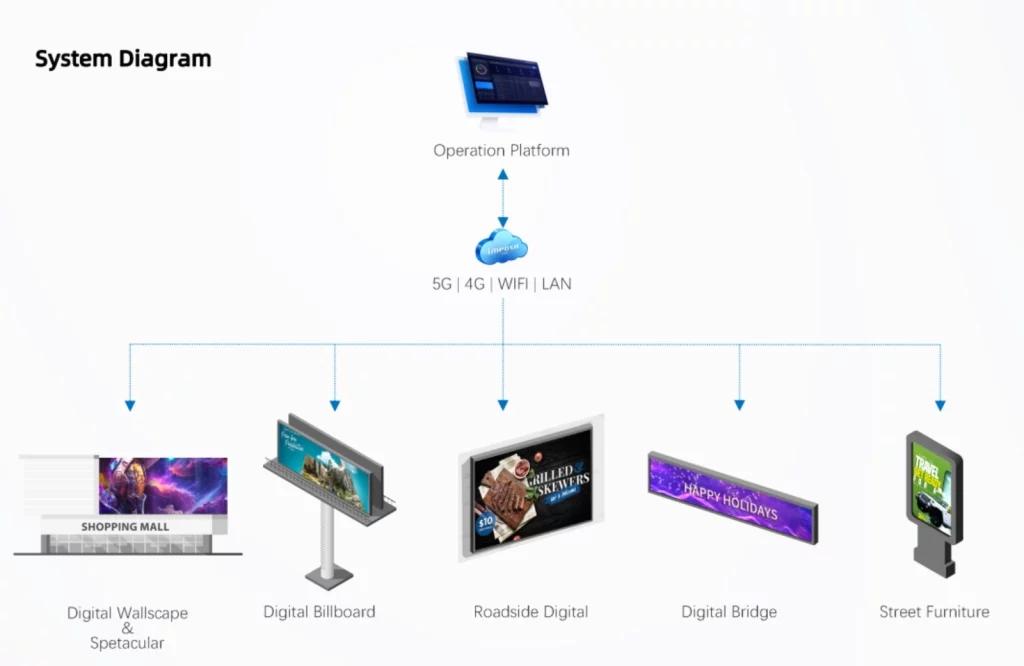
9. Software and Content Management System
Managing content on outdoor LED billboards requires specialized software, which can run on a subscription basis. The cost of the content management system (CMS) and any necessary updates should be considered in the operational budget.
10. Land/Lease Fees
Billboard owners who do not own the land must account for recurring lease payments. Locations with high footfall or vehicle traffic naturally command higher rents, particularly in commercial or urban areas.
The site costs can become one of the largest long-term expenses, often exceeding maintenance or software costs. Negotiating favorable lease terms and assessing traffic exposure in advance helps ensure profitability over time.
How to Get the Best Value
1. Select the Right Size and Features Based on Budget
The goal is to match the specifications to your actual needs, avoiding overpaying for capabilities you don’t require.
1-1 Right-Size the Pixel Pitch:
- Minimum viewing distance (mm) ≈ pixel pitch (mm) × (1,000–2,000)
- Optimal viewing distance (mm) ≈ pixel pitch (mm) × (2,000–3,000)
1-2 Optimize Size and Location:
A slightly smaller screen in a premium, high-traffic location will almost always outperform a massive screen in a poor location. It is highly recommended to invest in a traffic study and visibility analysis. Or, you can ask for experienced LED suppliers for tailored advice.
1-3 Balance LED Technology with Long-Term Goals
For outdoor applications, it is recommended to invest in LED technology that delivers high brightness with lower power consumption. Additionally, a well-protected LED design helps reduce long-term costs by preventing damage to internal components and minimizing the need for frequent repairs or replacements.
2. Work with Reputable Suppliers and Installers
A reliable supplier can make a major difference in quality and support. Look for established manufacturers with proven experience in outdoor LED systems and strong after-sales service. Professional installation teams also help ensure structural safety, proper wiring, and compliance with local codes, which reduces future maintenance issues.
3. Evaluate the Total Cost of Ownership
Before making a purchase, look beyond the initial price tag and assess how much the billboard will cost to operate over its lifetime.
Consider recurring expenses such as power consumption, maintenance, software licensing, and replacement parts. A slightly higher investment in a reliable, energy-efficient model often results in lower running costs and fewer technical issues over time.
Chainzone Offers LED Billboards Worth Your Investment
Chainzone is a highly regarded global manufacturer of outdoor LED billboards known for combining high-performance visuals with long-term efficiency.
Why do Chainzone Outdoor LED Billboards Stand Out?
- High-Efficiency Optical System: Through LOB (Lens on Board) optical lenses, we enhance luminance to approximately 13,000 nits and simultaneously lower power consumption by up to 80%.
- Thermal and Environmental Performance: The lens-sealed LEDs resist environmental degradation. Combined with low-current operation, heat output is reduced, resulting in a longer working life and more stable performance.
- Optimized Electrical Safety: Our dual-supply configuration positions the power components away from the screen modules, minimizing high-voltage exposure and improving operational reliability.
- Rapid Deployment Structure: A block-type mechanical design allows simplified installation and decreases site work time by roughly 60%, benefiting large-scale billboard rollouts.
- Adjustable Light Distribution: LOB lenses provide configurable beam angles, helping our screens comply with light-control requirements in residential-adjacent areas while maintaining effective advertising coverage.
Wrapping Up
The LED billboard cost depends on many factors, but long-term value comes from choosing the right manufacturer. Chainzone offers reliable, energy-efficient LED billboards that combine durability with advanced display performance. Our products are built for all kinds of outdoor environments, delivering top quality without compromising energy efficiency.