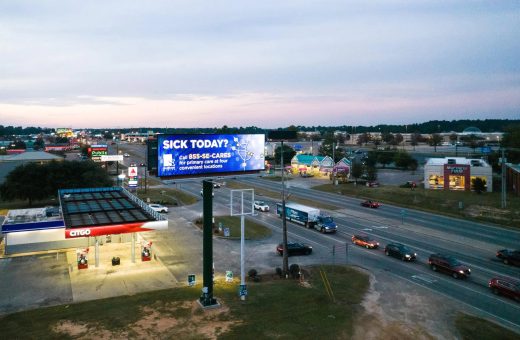
Consider the flow of vehicles on a major highway as a dynamic, living organism. The system that acts as its central nervous system, processing information and executing responses to maintain health and efficiency, is the intelligent traffic management system. At its core, a TMS is an integrated network of hardware and software designed to monitor, analyze, and control road traffic in real time. It transforms raw data from the street into actionable intelligence, enabling authorities to proactively manage congestion, enhance safety, and provide critical information to travelers. Our role at Chainzone is to provide the vital physical components and control platforms that make these sophisticated traffic solutions possible, forming the visible and operational backbone of this digital ecosystem.
The Core Components: From Roadside Sensors to Centralized Control
A modern traffic management system is built on a framework of interconnected layers. The first is the data acquisition layer, consisting of a network of sensors, cameras, and detectors embedded in or alongside the roadway. These devices continuously collect real-time data on vehicle speed, volume, and occupancy. This information is then transmitted to a central software platform, the brain of the entire operation. This centralized intelligent traffic management system processes the incoming data, identifies patterns, detects incidents like accidents or slowdowns, and supports decision-making. It is this behind-the-scenes analysis that empowers operators to manage traffic flow effectively and respond to emergencies with precision, forming the core of modern smart traffic control systems.
Executing Commands: The Role of Roadside Communication Devices
Data analysis is only valuable if it leads to action. This is where the third layer of the system comes into play: the output devices that communicate directly with drivers. Instructions from the central platform are executed through a network of roadside units, most notably variable message signs (VMS) and lane control signals. When the system detects an incident ahead, it can automatically trigger a VMS to display a warning message, advising drivers to slow down or change routes. Similarly, lane control signs can be activated to open or close lanes, managing flow around obstructions. This seamless loop from detection to analysis to communication is what defines effective traffic solutions. The reliability of these physical signs, a key focus for Chainzone, is paramount; they must operate flawlessly in all conditions to ensure the commands of the intelligent traffic management system are reliably delivered to the public.
The Tangible Benefits of an Integrated Approach
The ultimate value of deploying a sophisticated intelligent traffic management system is measured in tangible outcomes: improved safety and enhanced efficiency. By providing timely warnings of hazards ahead, these systems are proven to reduce the frequency of secondary collisions. They also slash emergency response times by giving operators immediate incident awareness. From an efficiency standpoint, dynamic smart traffic control systems help to homogenize traffic speeds and mitigate congestion, leading to reduced travel times and lower vehicle emissions. The integration of robust hardware from a dedicated partner like Chainzone ensures that these theoretical benefits are realized in practice. By providing the reliable signs and centralized control platforms that form the system’s endpoints, we help transform complex highway environments into safer, more responsive, and intelligently managed corridors for everyone.