At Chainzone, we pride ourselves on providing top-notch digital billboard solutions, such as our E4 H Series outdoor LED billboards. As businesses explore advertising options, understanding the differences between traditional billboards and digital billboards is essential for making informed decisions. In this article, we’ll delve into the key distinctions related to cost, flexibility, and effectiveness to help you grasp the value of each option.
Cost Considerations
When it comes to costs, traditional billboards often come with lower initial expenses. They typically require a one-time payment for printing and installation, making them attractive for businesses with tight budgets. However, the long-term costs can add up. Traditional billboards need frequent updates—whether due to changing promotions or seasonal campaigns—which incurs additional printing and labor costs.
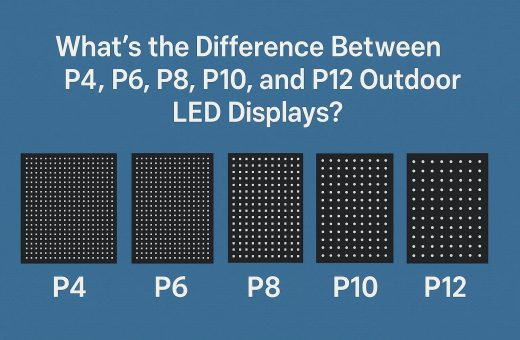
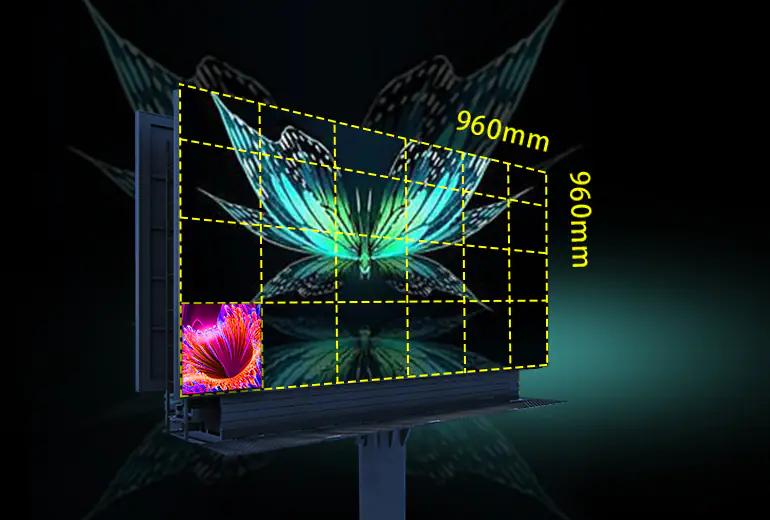
In contrast, while digital billboards like our E4 H Series may involve a higher upfront investment, they offer significant cost savings over time. With features such as modular sizes and pixel pitches (P6.67, P8, P10, P16), our digital billboards can be easily integrated into existing setups, reducing replacement costs. The ability to change content instantly without additional printing means that businesses can run multiple campaigns at once, maximizing their advertising dollars.
Flexibility and Ease of Use
Flexibility is another area where digital billboards shine. With traditional billboards, once a message is printed and installed, it remains static until the next update. This rigidity can be a disadvantage in a fast-paced marketing environment where timely information is crucial.
Our E4 H Series digital billboards, however, allow businesses to change their content in real-time. Whether it’s a flash sale, breaking news, or an upcoming event, the ability to update messages instantly can significantly enhance engagement. Moreover, with our front and rear maintenance design, routine servicing is efficient, ensuring that your billboard remains operational without extended downtime.
Additionally, the lightweight and slim profile of our E4 H Series—less than 99mm thick and only 25kg/m²—makes installation easier and less structurally invasive. This flexibility in setup further enhances the appeal of digital billboards, allowing for various mounting options on walls or poles.
Effectiveness and Engagement
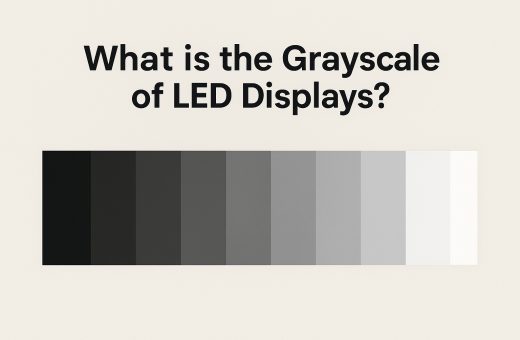
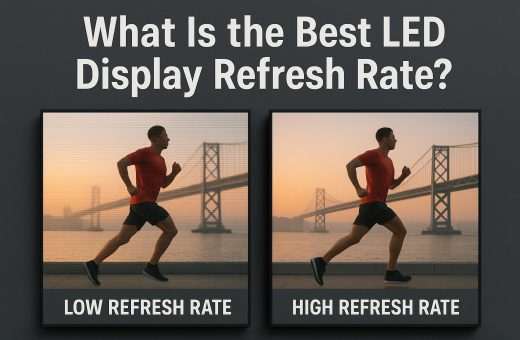
In terms of effectiveness, digital billboards have a clear edge. The high-quality display of Chainzone E4 H Series, with a refresh rate of up to 3840Hz and high grayscale capabilities, ensures that advertisements are visually stunning and instantly noticeable. This immediate visibility is crucial for capturing the attention of passersby, especially in busy urban environments.
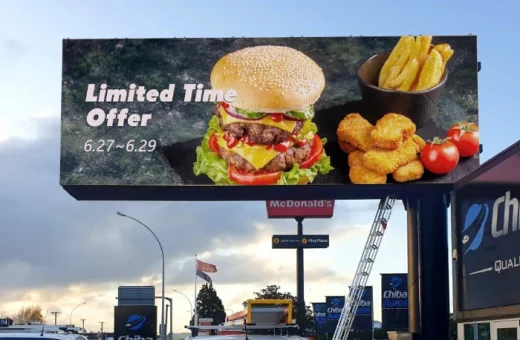
Traditional billboards, while effective in their own right, often struggle to compete with the dynamic nature of digital displays. The ability to incorporate animations, videos, and varying content makes digital billboards more engaging.
Moreover, our smart module technology ensures that each digital billboard maintains visual consistency across its entire display, eliminating the need for manual adjustments. This feature is particularly beneficial for dynamic outdoor setups like stadium displays and city signage.
Conclusion: Making the Right Choice
In conclusion, the choice between traditional and digital billboards ultimately depends on your advertising goals and budget. While traditional billboards may offer lower initial costs, the long-term savings, flexibility, and enhanced effectiveness of digital billboards make them a compelling option for many businesses.
At Chainzone, we are dedicated to providing high-quality digital billboard solutions that elevate your advertising strategies. Our E4 H Series is designed to meet diverse needs, whether in sports stadiums, retail environments, or transportation hubs. By choosing digital billboards, you’re not just investing in a display; you’re investing in a powerful tool that can drive engagement and deliver results.